
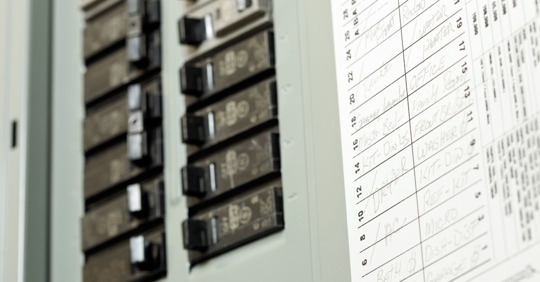
Your electrical panel is the backbone of your home’s power system, directing electricity safely to every outlet, appliance, and device. Over time, as technology and energy demands increase, older panels may struggle to keep up, risking efficiency, safety, and reliability. Recognizing when it’s time for an upgrade ensures your home or business remains powered safely and efficiently.
Understanding the Electrical Panel
What an Electrical Panel Does:
An electrical panel, sometimes called a breaker box or distribution board, controls the flow of electricity from the utility to your home or business. It contains circuit breakers or fuses that protect your property by interrupting power during faults, preventing overloads and fires. Understanding how your panel works helps you detect issues early and ensures electricity is delivered safely to every area of your space.
Typical panels include a main breaker controlling all power and individual breakers for specific circuits or appliances. Older homes may have fuse boxes instead, while some modern panels integrate advanced features like surge protection. Knowing your panel’s setup prepares you to make informed decisions about maintenance or upgrades.
Common Types of Electrical Panels:
Electrical panels vary depending on age and purpose. Main breaker panels are standard in most homes, while fuse boxes, common in older properties, don’t handle modern power demands as efficiently. Subpanels distribute power to large areas or high-demand zones.
Newer panels may include smart technology, allowing monitoring of energy use and even remote management. Upgrading to these advanced panels supports both safety and modern electrical needs.
Signs Your Electrical Panel May Be Failing:
Watch for frequent breaker trips, flickering or dimming lights, unusual buzzing or popping noises, and overheating. These signs indicate potential electrical faults that require immediate attention. Ignoring them can lead to appliance damage, fires, or other hazards. Regular inspections by a licensed electrician help prevent small problems from turning into major issues.
Reasons to Upgrade Your Electrical Panel
Growing Power Demands:
With the rise of smart home devices, electric vehicles, and high-powered appliances, older panels often cannot meet modern energy needs. An upgraded panel ensures reliable power delivery and prevents interruptions caused by overloading outdated systems.
Safety Considerations:
Older panels can present serious safety risks, including electrical shocks and fire hazards. Upgrading incorporates modern safety features, including advanced circuit breakers and surge protection, helping protect your home and comply with current safety codes.
Home Renovations and Additions:
Adding rooms, appliances, or home offices increases electricity usage. Ensuring your panel can handle the extra load prevents disruptions and supports efficient operation of new spaces.
Benefits of Upgrading
Enhanced Safety and Compliance:
Modern panels reduce fire risk, improve fault detection, and meet current electrical codes. This investment safeguards your property, appliances, and family while offering peace of mind.
Improved Energy Efficiency:
New panels distribute electricity more efficiently, reducing energy waste and lowering utility costs. They also integrate easily with renewable energy solutions like solar panels, supporting sustainable and cost-effective power use.
Increased Property Value:
An updated electrical system is appealing to buyers, demonstrating that your home is safe, modern, and capable of supporting contemporary technology. This upgrade can enhance resale value and attract potential buyers.
Key Considerations Before Upgrading
Cost Planning:
Panel upgrades involve materials, labor, permits, and potential rewiring. Planning and budgeting for these costs ensures the project runs smoothly, and professional estimates help you make informed decisions.
Professional Assessment:
A licensed electrician can evaluate your current panel, identify potential issues, and recommend the best upgrade approach. Their expertise ensures safety, code compliance, and optimal system performance.
Local Codes and Permits:
Upgrades must meet local building codes and may require permits. Professional electricians can guide you through this process, ensuring a legal and safe installation.
Timing and Choosing a Service Provider
When to Upgrade:
Consider upgrading during home renovations, before adding high-power appliances, or when selling your property. Timing upgrades strategically can reduce costs and maximize benefits.
Selecting the Right Electrician:
Choose licensed, experienced electricians with strong reputations. Look for customer reviews, warranties, and transparency in pricing to ensure a smooth, reliable upgrade.
Overcoming Potential Challenges:
Older homes may require additional modifications, such as rewiring or space adjustments. Planning for these challenges and maintaining clear communication with your electrician ensures the upgrade meets expectations without delays.
Ensuring a Reliable, Future-Ready Electrical System
Keeping your home or business powered safely requires vigilance and foresight. Upgrading your electrical panel protects your property, supports modern technology, and enhances overall efficiency. Snell Services is ready to help evaluate your current system and implement upgrades to keep your electrical infrastructure reliable, safe, and prepared for future needs.
Call Snell Services today at (308) 337-6337 or reach out to us online.