
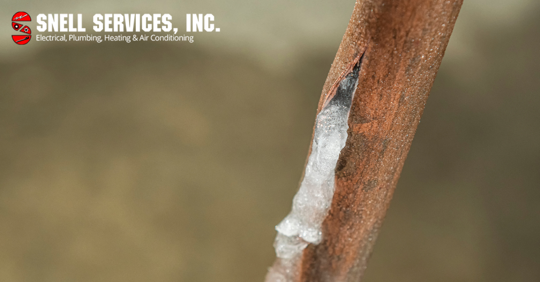
When winter brings sub-zero temperatures, your plumbing takes a heavy hit. A frozen pipe can burst in a matter of hours, flooding your property and causing thousands of dollars in structural damage. The good news is that your plumbing usually gives subtle warning signs before ice completely blocks the line. Knowing what to watch for helps you take action before a minor freeze turns into a major disaster. If you suspect your plumbing system is struggling against the cold weather, getting fast emergency plumbing in North Platte, NE can save your property from catastrophic water damage.
Recognizing the Early Warning Indicators
Catching a freezing pipe early is the key to preventing severe property damage. Here are the five main warning signs you should never ignore during a cold snap.
1. Unusually Low or Reduced Water Pressure
When ice begins to form inside a supply pipe, it acts as a dam, restricting the space available for liquid water to flow. If you turn on a faucet and notice a sudden, drastic drop in water pressure, ice is likely building up somewhere along the line. Pay close attention if this pressure loss only affects specific fixtures, especially those along exterior walls.
2. Water Comes Out as a Slow Trickle
If you open a tap and only get a tiny trickle or a few sparse drops, a full blockage is imminent. The water remaining in the exposed sections of your line is actively freezing solid. Do not leave the faucet closed; keeping it open relieves buildup pressure between the ice plug and the tap, which helps prevent the pipe from rupturing.
3. Frost Building Up on Exposed Piping
Visible plumbing inside unheated areas of your home—such as basements, crawlspaces, attics, and garages—provides a direct preview of what is happening inside the walls. If you see active frost or ice crystals coating the outside of copper, PEX, or metal pipes, the temperature around those lines has dropped well below freezing.
4. Strange Whistling, Clanking, or Gurgling Noises
As water struggles to force its way past a growing block of ice, it creates unusual acoustic feedback throughout your plumbing lines. You might hear whistling or high-pitched squealing caused by water squeezing through a narrowed opening. Additionally, air pockets trapped by ice can result in loud gurgling or thumping sounds whenever you try running a tap.
5. Persistent Foul Odors From Sinks or Drains
When a main line or vent pipe begins to freeze, wastewater and sewer gases can no longer flow out properly. Instead, those foul odors get trapped and backed up into your living spaces. If you notice a sudden sewage smell coming from your kitchen or bathroom drains during extreme winter weather, an ice blockage is likely preventing normal drainage.
Taking immediate action when these symptoms appear is crucial to maintaining a safe, comfortable indoor environment. At Snell Services, our licensed technicians bring decades of hands-on expertise to every call, delivering prompt winter solutions that safeguard your investment. If cold weather has caught your plumbing off guard, reach out directly at (308) 337-6337 for fast, professional help.